Best XLR Microphones for Podcasting, Streaming, and Voice
The best XLR microphones deliver detailed and stable sound and can outperform many USB microphones when used with the right interface. The Shure SM7B is the best all-around option for broadcasting, and the RØDE PodMic offers excellent value. The Electro-Voice RE20 is especially effective when speakers move around during recording. The Audio-Technica AT2040 is a practical choice for home studios and content creators. The sE Electronics V7 is a versatile and affordable option for vocals, streaming, and live performance. This guide compares microphone features, including design, polar pattern, amplification requirements, compatibility, build quality, and long-term value.
Some links on this page are affiliate links. If you buy through them, we may earn a commission at no extra cost to you.
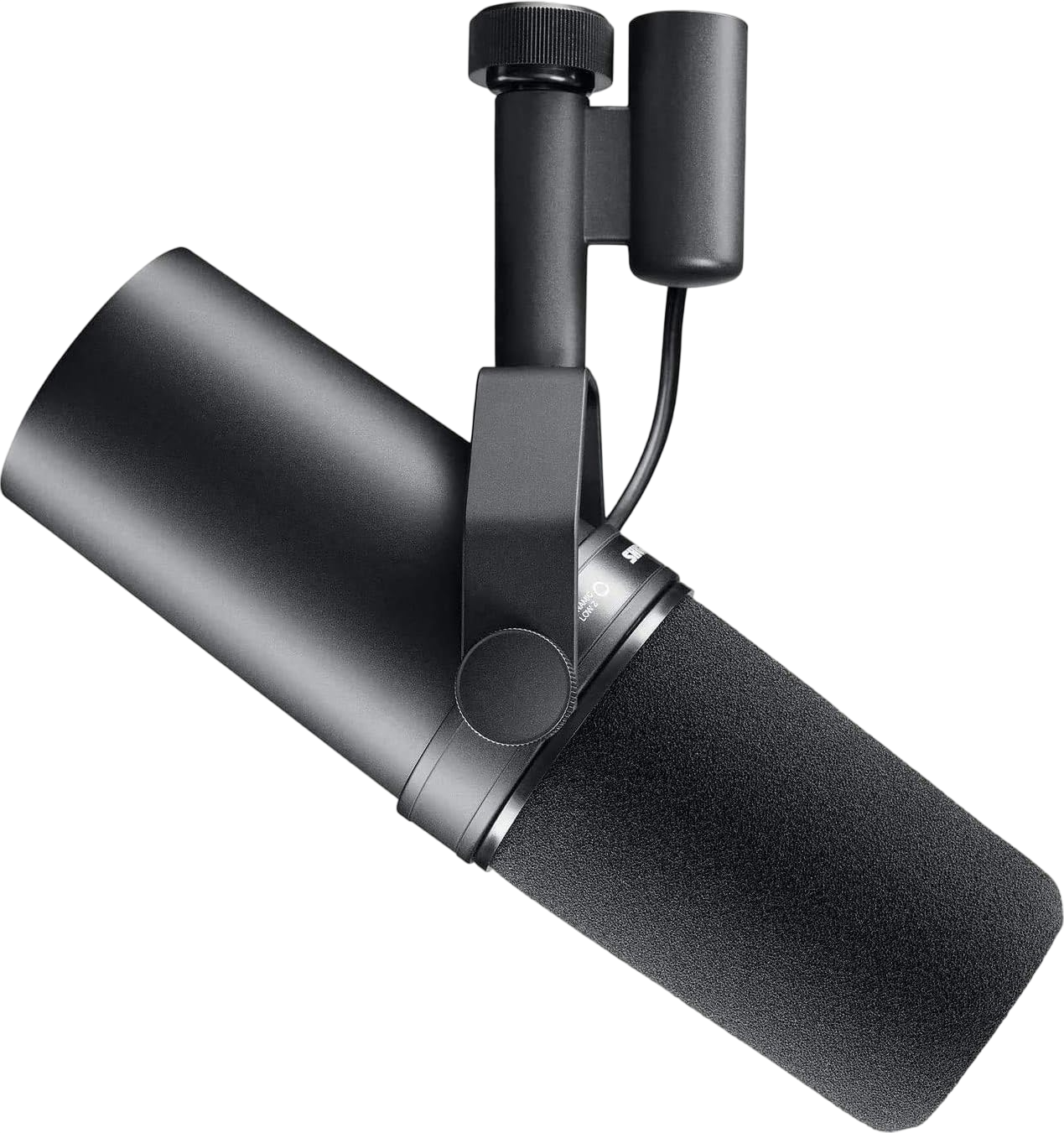
The SM7B is a cardioid dynamic microphone designed for broadcast speech, podcasting, vocals, and studio recording. Its internal shock isolation, close-talk windscreen, external pop filter, and switchable bass roll-off and presence boost make it adaptable to different voices and recording environments. Shure specifies a 50 Hz–20 kHz frequency response, 150-ohm impedance, and relatively low -59 dBV/Pa sensitivity.
Why we love it
Smooth, broadcast-oriented vocal character.
Excellent rejection of sound from the rear.
Built-in controls support voice-shaping adjustments.
Strong protection against plosives and vibration.
Proven professional design with broad interface compatibility.
Watch out for
Low sensitivity can require a powerful, clean preamp.
It is relatively heavy and benefits from a sturdy boom arm.
The purchase may require extra budget for an interface, cable, and mount.
Best for: Podcasters, streamers, broadcasters, and vocalists who want a polished, adaptable voice microphone.
The RE20 is a professional cardioid dynamic microphone designed for broadcast, voice, and instrument applications. Its Variable-D design is intended to reduce proximity-related tonal changes, and official specifications list a 45 Hz–18 kHz response, 150-ohm impedance, and passive operation.
Why we love it
Consistent voice tone when the speaker changes distance.
Broadcast-focused design suits radio and spoken-word work.
Effective off-axis rejection for many room situations.
Handles vocals and instruments as well as speech.
Robust construction supports demanding studio environments.
Watch out for
Its large body requires a strong stand or boom arm.
It can be expensive for casual voice recording.
Some interfaces may need substantial clean gain.
Best for: Broadcasters, voice professionals, and creators who do not maintain a perfectly fixed microphone distance.
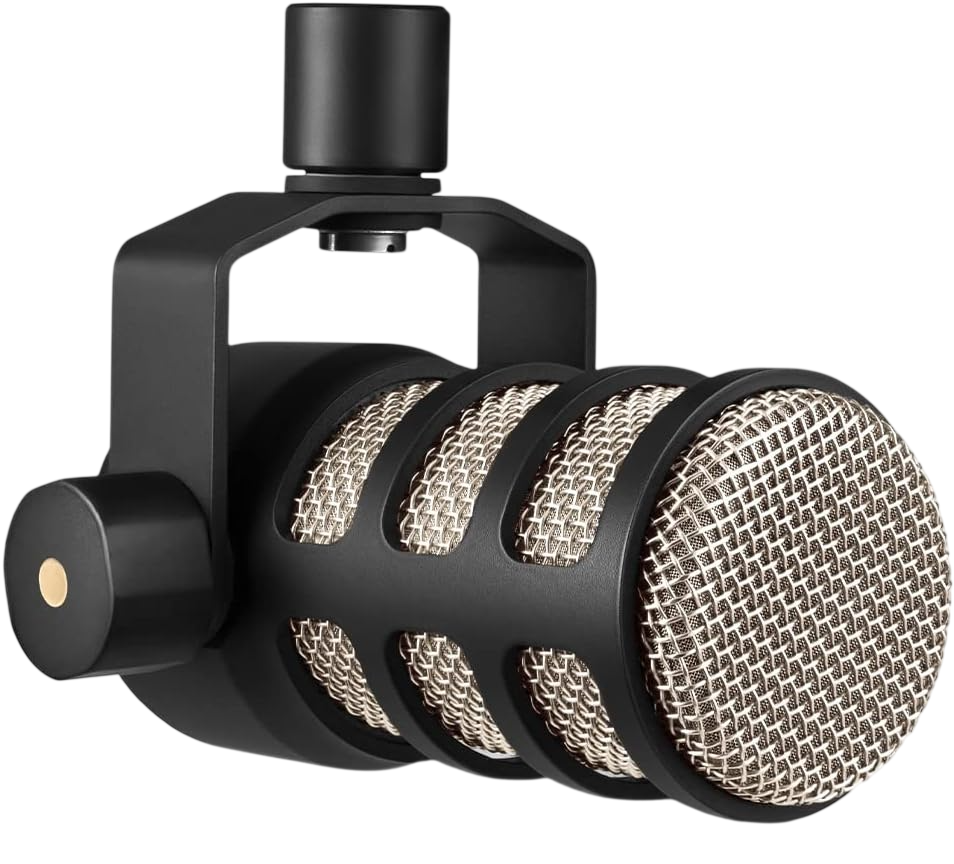
The PodMic is a compact cardioid dynamic microphone built primarily for spoken-word recording. It uses an XLR connection, an internal pop filter, an internal shock mount, and a swing mount, while the manufacturer lists a 50 Hz–15 kHz frequency range and 320-ohm output impedance.
Why we love it
Strong spoken-word performance for its class.
Internal pop filtering simplifies desk and boom setups.
Integrated shock isolation reduces some mechanical vibration.
Compact design works well in smaller recording spaces.
Usually easier to budget for than premium broadcast microphones.
Watch out for
It requires an audio interface or mixer with an XLR input.
The compact body may provide less positioning flexibility than larger broadcast designs.
The sound profile is optimized for speech rather than every vocal or instrument application.
Best for: New podcasters and streamers seeking a straightforward, affordable XLR setup.
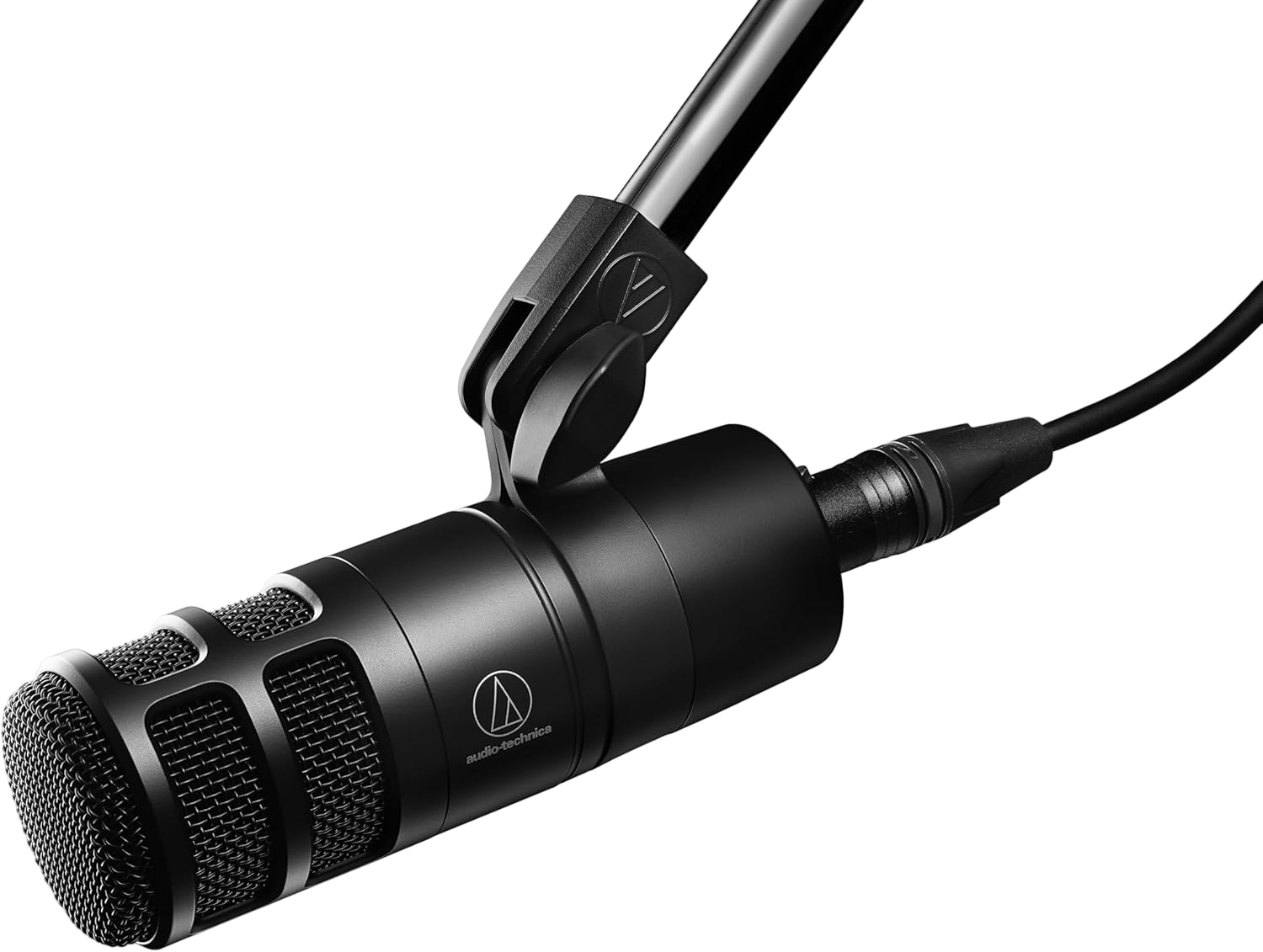
The AT2040 is a hypercardioid dynamic XLR microphone aimed at podcasting, streaming, and spoken-word production. Its tighter pickup pattern can help reduce sound from the sides, and the manufacturer specifies -53 dB sensitivity and an integrated three-pin XLRM connector.
Why we love it
Hypercardioid pickup can help limit side noise.
Dynamic design is practical for untreated rooms.
Designed specifically around podcast and streaming use.
Higher sensitivity than some premium broadcast dynamics.
Straightforward XLR compatibility.
Watch out for
Tighter pickup requires more careful positioning.
It does not offer USB connectivity.
A boom arm or suitable stand is normally needed for comfortable use.
Best for: Home creators who need focused speech capture in a moderately noisy room.
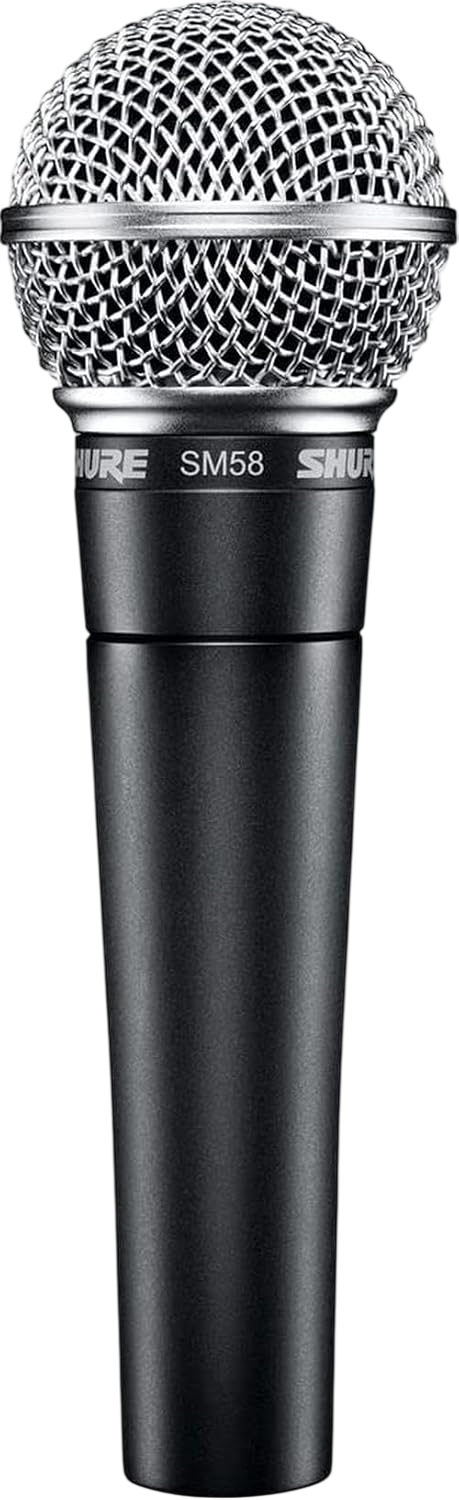
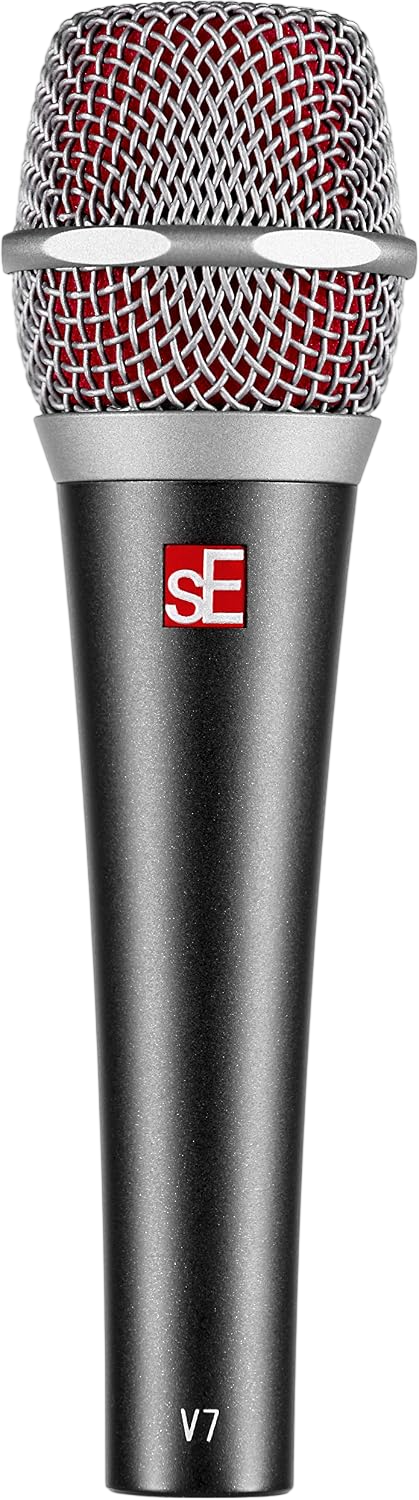
The V7 is a supercardioid dynamic microphone with a three-pin XLR output, designed primarily for vocals and live performance but also useful for streaming and speech. The manufacturer lists 300-ohm impedance, 2.0 mV/Pa sensitivity, and a frequency range extending from 40 Hz to 19 kHz.
Why we love it
Strong rejection from the rear and sides.
Clear, present vocal reproduction.
Useful for gaming, streaming, vocals, and live work.
Relatively high sensitivity for a passive dynamic microphone.
Durable handheld format is easy to position.
Watch out for
The supercardioid pattern requires careful mic placement.
It lacks the broadcast-style integrated mounting system of larger models.
Handling noise can matter if the microphone is held or frequently moved.
Best for: Gamers, streamers, singers, and creators who want focused vocal pickup in a flexible microphone.
The Shure SM7B deserves first place because it offers the most balanced combination of speech quality, acoustic control, adjustability, compatibility, and long-term usefulness. Its cardioid pattern helps focus on the speaker, while the internal shock isolation and supplied windscreen help address common podcasting and broadcast problems. The rear-panel bass roll-off and presence boost provide useful control without requiring immediate software processing. Its main limitation is low sensitivity, so buyers should pair it with an interface or preamp capable of delivering clean gain. That requirement increases setup cost, but the microphone’s flexible voicing and established professional design make it a strong long-term investment. The RE20 may be better for speakers who move substantially, and the PodMic offers better entry-level value, but the SM7B remains the most complete choice for serious spoken-word production.
How we picked
These recommendations were selected based on an independent, research-based product analysis. The evaluation began with reviewing manufacturer product pages, official manuals, and specifications to examine connector types, transducer design, polar patterns, frequency ranges, sensitivity, impedance, included accessories, and power requirements. These details were compared with independent professional product evaluations covering speech clarity, room noise reduction, proximity effect, plosive control, vocal use, streaming, podcasting, and studio recording. Long-term user feedback and community discussions were also considered for information on amplification requirements, installation, durability, compatibility, operating noise, and setup difficulty. Products were then compared based on practical performance, functionality, reliability, ease of use, affordability, and overall value. More weight was given to information that appeared consistently across multiple independent sources rather than a single review or isolated opinion. Where sources differed, priority was given to the most reliable and up-to-date technical information, and unsubstantiated performance claims were excluded. Final ratings reflect suitability for common XLR microphone applications, not laboratory ratings or personal product testing.
Frequently Asked Questions
Look at the microphone’s pickup pattern, sensitivity, intended use, mounting system, and frequency response. For speech, a dynamic cardioid, hypercardioid, or supercardioid microphone is often practical because it can reduce room sound and background noise. Also confirm that your interface provides enough clean preamp gain.
Usually, no. A traditional XLR microphone needs a compatible interface, mixer, recorder, or microphone preamp to convert the analog signal into a form your computer can record. You also need an XLR cable, and most passive dynamic microphones do not require phantom power.
No. Higher-priced models may provide better off-axis behavior, construction, consistency, mounting, or voice-shaping controls, but value depends on the room and speaker. A less expensive microphone can be the better choice if it suits your voice, interface, placement, and recording environment.
Cardioid microphones primarily reject sound from behind, while supercardioid microphones typically provide tighter pickup from the front and stronger side rejection. Supercardioid designs can work well in noisy setups, but they require more precise placement because sound from a narrow rear angle may still be captured.
Choose the SM7B if you want adjustable tonal controls and a close, controlled broadcast sound. Choose the RE20 if consistent tone during changes in speaking distance is more important. Both are substantial professional microphones and should be paired with a stable mount and a suitable preamp.
Passive dynamic microphones generally do not need phantom power to operate. Phantom power is commonly used for condenser microphones, but it may be enabled when using an interface with a passive dynamic microphone as long as the cable and equipment are properly maintained. Follow the microphone and interface manufacturer’s instructions.